What Terence McKenna Learned When Facing Death
Chapters
Episode notes from Terence McKenna Explained
What Terence McKenna Learned When Facing Death
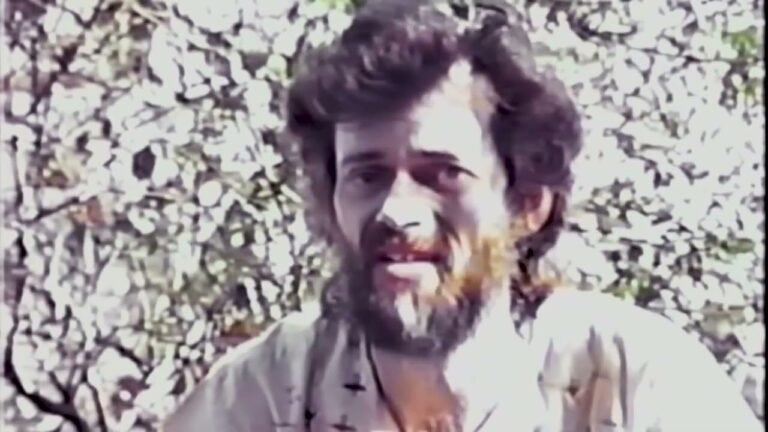
In mid-1999, visionary counterculture philosopher Terence McKenna was diagnosed with an aggressive, terminal brain tumor and told he had only months to live. For thirty years, he had traveled the world speaking about consciousness, ancient shamanism, and the dissolution of time.
Facing mortality, McKenna did not retreat into bitterness or fear. Drawing upon the 8th-century Tibetan Book of the Dead (Bardo Thodol) and Carl Jung's psychology of the unconscious, he articulated a framework for dying defined by radical curiosity, dignity, and calm awareness.
In this documentary essay, we explore what Terence McKenna discovered when confronting the final boundary of human existence, why the Tibetans viewed death as an "ontological adventure" rather than a clinical catastrophe, and why he famously concluded: "Given how weird life has been, why rush to prejudge death? It's bound to be mighty strange… and I'm curious."
TIMESTAMPS:
0:00 – Act I: The Unsmiling Man in the White Coat (The 1999 Diagnosis)
1:47 – Act II: The Bardo Decoded (The Living Mirror of the Mind)
3:39 – Act III: The Practice of Dying (Loosening the Biological Suit)
5:46 – Act IV: The Three Hats (Alien, Ghost, and Machine)
7:45 – Act V: Radical Curiosity (The Final Transition)
ARCHIVAL RECORDINGS & LECTURES CITED:
– Terence McKenna, Final Interviews with Erik Davis & Brain Tumor Reflections (1999)
– Terence McKenna, "Existence Beyond the Grave: Metamorphosis of Consciousness" (1992)
– Terence McKenna, "New and Old Maps of Hyperspace" (1982)
– W.Y. Evans-Wentz (Ed.), "The Tibetan Book of the Dead" with Psychological Commentary by Dr. Carl G. Jung (1935)
– Plato, "Phaedo" (The Philosophy of Melete Thanatou)
Subscribe to @TerenceMcKennaExplained for deep dives into philosophy, consciousness, and the outer edges of human thought.



Comments
No comments yet. Start the conversation.